





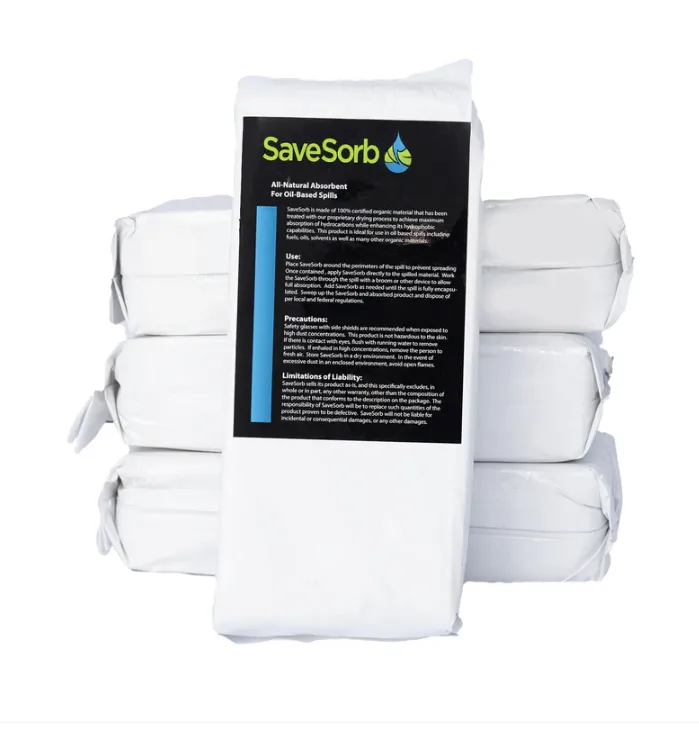
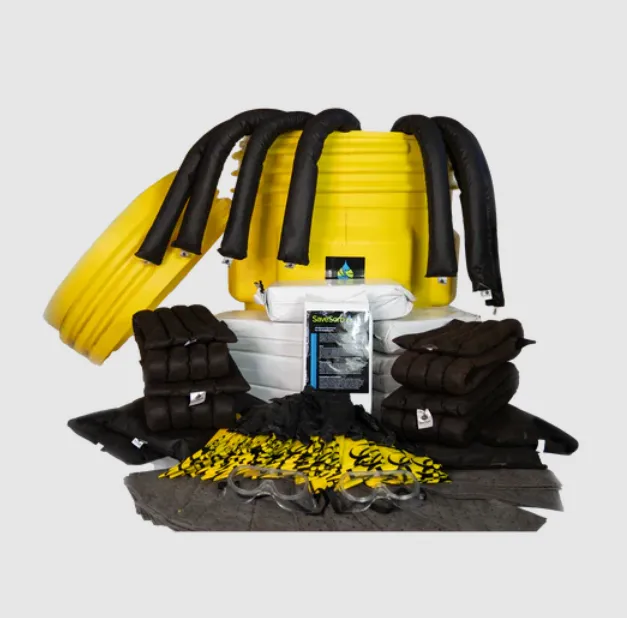
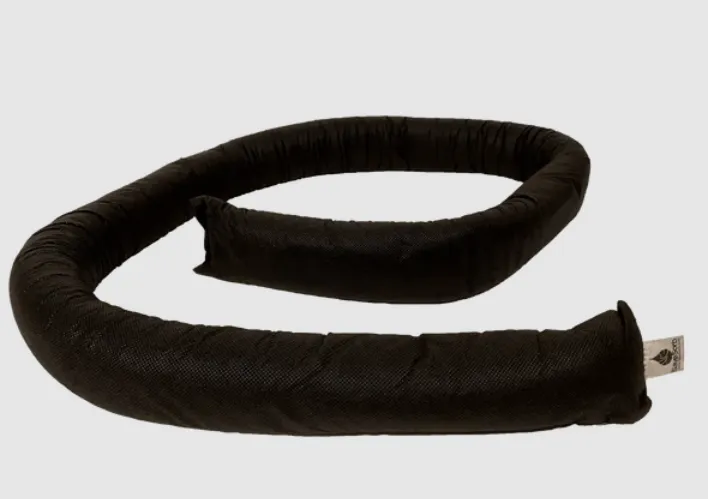
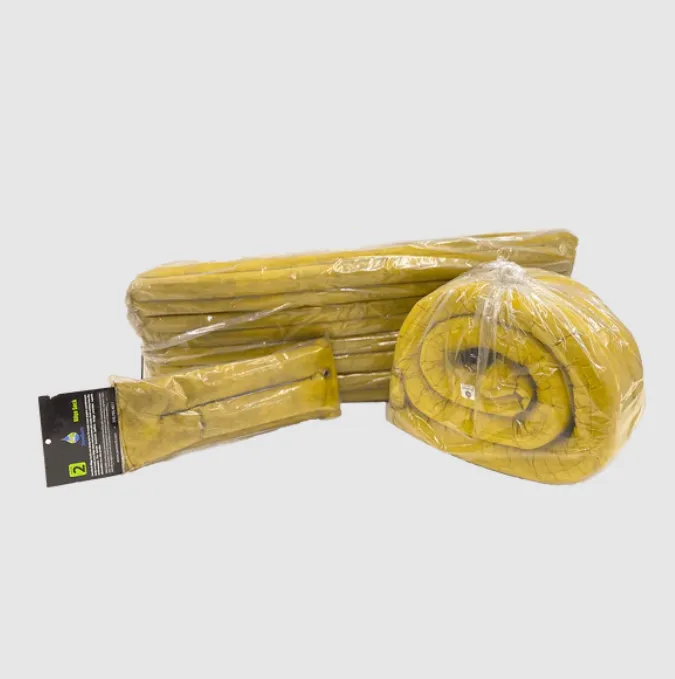
The Organic & Sustainable Solution to Oil, Fuel, Chemical, & Paint Spills





Use in 3 Easy Steps
1. COVER
Pour SaveSorb™ hyper-sorbent around the perimeter of the spill to prevent spreading, then apply a thin layer to cover the spill. See SaveSorb™ start to absorb the hydrocarbon immediately!
2. MIX
Use a broom or tool to mix the SaveSorb™ plant material through the spill material to allow full exposure and absorption. Add SaveSorb™ as needed until the spill is fully encapsulated.
3. SWEEP
Once fully absorbed, SaveSorb™ will not leak. Sweep up the saturated material and dispose of it safely per state regulations. If SaveSorb™ hyper-sorbent is not fully saturated, it can be reused.
Proudly Serving








We switched to SaveSorb Eco-Absorbent from using the clay material, and all of our guys are impressed with the effectiveness and how much simpler it makes . Great product for sure.

We switched to using SaveSorb natural absorbent a few years back, and it makes the spill cleanup job much easier and quicker. The team prefers it over the kitty litter we used before; it contains dangerous silica dust, and it's so much heavier to move around.

Fire trucks don't have a lot of storage space. With SaveSorb we are able to carry enough material to clean up substantial spills out on the roads. It's definitely a hyper absorbent that is safer and easier for the team to use. Highly recommend it.

We repair hydraulics, and this material is by far the best stuff we have used to clean up big oil messes. It has cut down the amount of absorbent needed, storage space required, and it's a huge savings on our disposal cost now. We are definitely happy customers and recommend SaveSorb if you have any spill issues.

After seeing a demo of SaveSorb some years back, we were impressed and made the switch. It’s very effective and much easier to use than clay products, being eco-friendly helping protect the environment was a bonus.

Contact Us
SaveSorb Blog Post
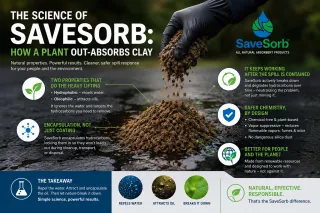
The Science of SaveSorb: How a Plant Out-Absorbs Clay
What makes SaveSorb different from traditional clay absorbents? Discover how its plant-based, hydrophobic, and oleophilic material targets hydrocarbons, encapsulates spills, and supports safer, more s... ...more
The Science of SaveSorb: How a Plant Out-Absorbs Clay
September 11, 2026•2 min read
Subscribe to News & Offers
Be the first to know about new products and exclusive offers.
Search | FAQ | Returns | Privacy Policy | Terms of Use


© 2025, SaveSorb LLC